
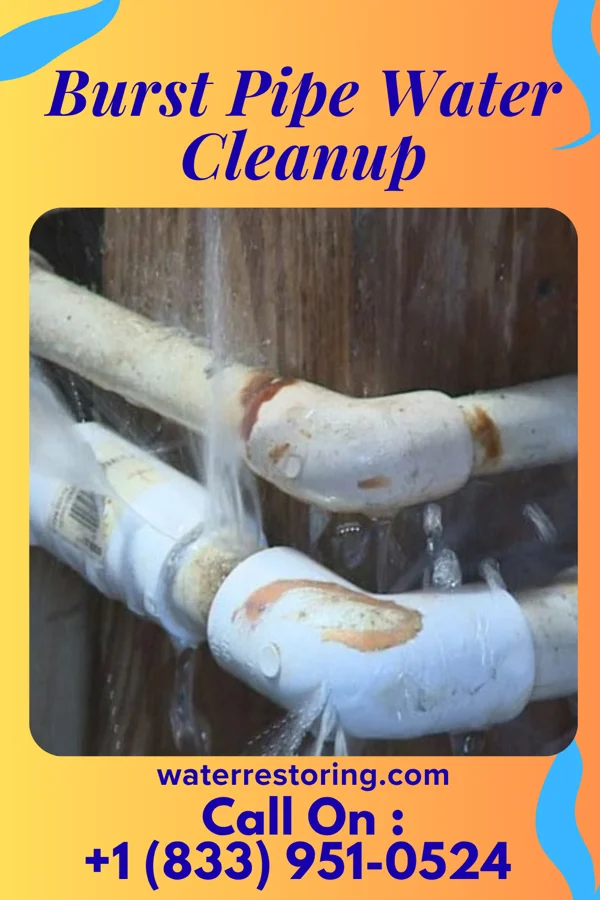
Why Burst Pipes Hit Odessa Hard
The pattern in Odessa is consistent. Odessa, Washington, experiences frequent freeze-thaw cycles due to its rural location and elevation, which can cause pipes to expand and contract, increasing the risk of bursts. The area's proximity to Krupp, Ritzville, and Wilson Creek means homes are often built in areas with less insulation, making them more vulnerable to pipe failures during temperature fluctuations. drives most of the emergency restoration calls we get. A close second is The region's low population density and rural infrastructure mean that many homes have outdated plumbing systems, especially in older neighborhoods. Additionally, the presence of underground water sources near Wilson Creek can lead to unexpected pressure changes in pipes, further contributing to burst risks..
Odessa's rural climate and seasonal temperature extremes play a significant role in pipe integrity. The area's cold winters and sudden temperature shifts create a high-risk environment for burst pipes, particularly in older or poorly insulated homes.
Odessa's rural climate and seasonal temperature extremes play a significant role in pipe integrity. The area's cold winters and sudden temperature shifts create a high-risk environment for burst pipes, particularly in older or poorly insulated homes. The dominant local driver is Odessa, Washington, experiences frequent freeze-thaw cycles due to its rural location and elevation, which can cause pipes to expand and contract, increasing the risk of bursts. The area's proximity to Krupp, Ritzville, and Wilson Creek means homes are often built in areas with less insulation, making them more vulnerable to pipe failures during temperature fluctuations., with The region's low population density and rural infrastructure mean that many homes have outdated plumbing systems, especially in older neighborhoods. Additionally, the presence of underground water sources near Wilson Creek can lead to unexpected pressure changes in pipes, further contributing to burst risks. showing up as the next most common cause. Damage builds in stages. Spread. Absorption. Microbial growth. Structural compromise. Every stage you pass through adds to the final bill.